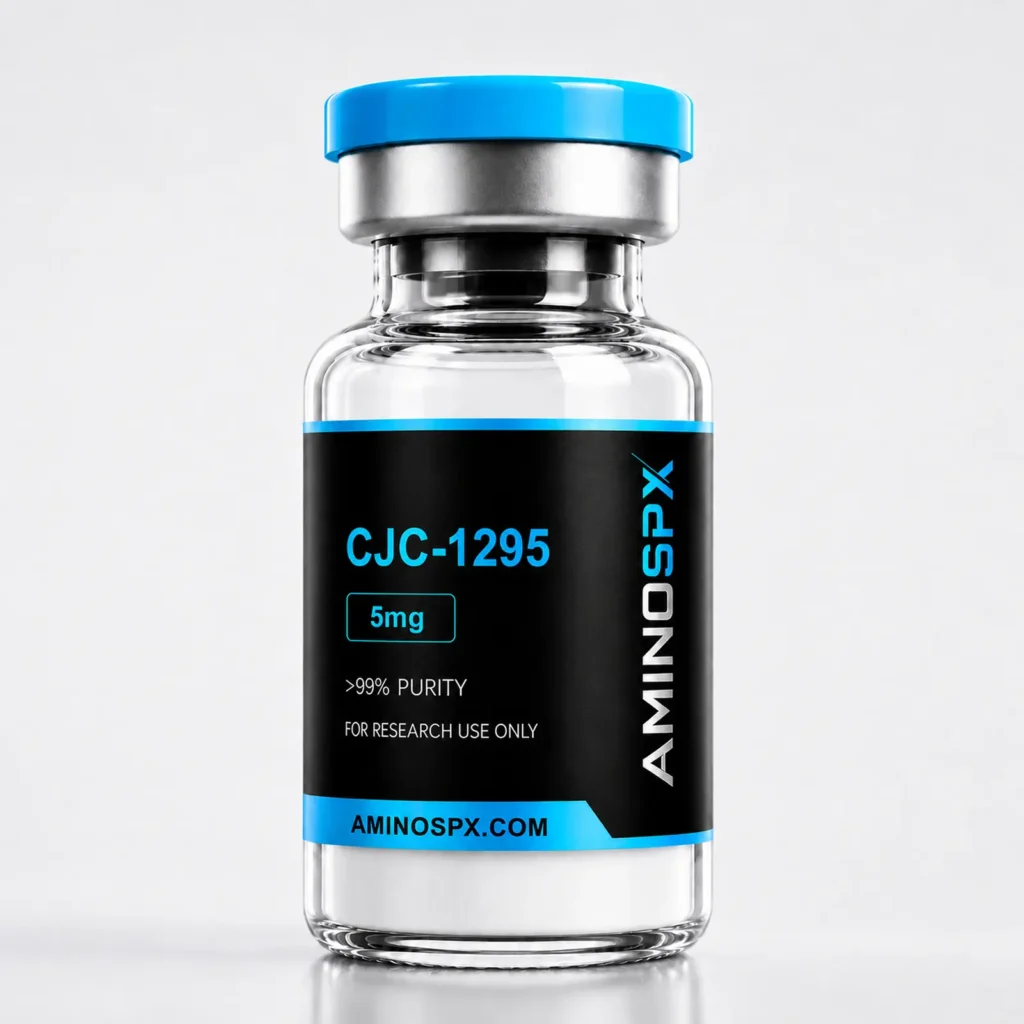
CJC-1295 NO DAC
$59.00
AUDBuy CJC-1295 NO DAC Australia
A short-acting Modified GRF (1–29) analogue developed for research into GHRH receptor signalling, GH pulsatility and hypothalamic-pituitary communication.
In stock
Out of Stock
RESEARCH USE ONLY
AMINOSPX products are supplied exclusively for legitimate laboratory, analytical, scientific and in vitro research purposes and are not intended for human or animal consumption.
Overview
CJC-1295 No DAC, commonly known as Modified GRF (1–29), is a synthetic 29-amino-acid analogue derived from the biologically active region of human Growth Hormone-Releasing Hormone (GHRH).
Engineered for greater resistance to enzymatic degradation while retaining GHRH receptor interaction, it differs from CJC-1295 DAC by omitting the albumin-binding Drug Affinity Complex (DAC). This results in a shorter-acting research profile that provides a defined model for exploring GHRH receptor signalling, peptide stability, pulsatile endocrine communication and hypothalamic-pituitary signalling.
AMINOSPX supplies CJC-1295 No DAC exclusively for legitimate laboratory, analytical, scientific and in vitro research purposes.
Not intended for human consumption or for medical, therapeutic, diagnostic, veterinary, cosmetic or food use.
Molecular Profile
- Molecular Name
- CJC-1295 No DAC
- Chemical Classification
- Short-Acting Modified GHRH (1–29) Analogue Peptide
- Molecular Formula
- C152H252N44O42
- Molecular Weight
- 3367.9 g/mol (approx.)
- Length
- 29 Amino Acids
- CAS
- 863288-34-0
- PubChem CID
- Not supplied in specification
- Form
- Lyophilised Powder
- Color
- White
- Purity
- >99% HPLC
- Verification
- Third-Party Laboratory Tested
- Packaging
- Sterile Vial
Research Applications
CJC-1295 No DAC is studied in laboratory and in-vitro research across several areas of scientific interest, including:
GHRH Receptor Signalling
Used to investigate GHRH-receptor activation and associated downstream signalling.
GH Pulsatility Research
Studied as an experimental model for mechanisms associated with pulsatile GH signalling
GH/IGF-1 Axis Research
Used to examine relationships between GH signalling and downstream IGF-1 pathways
Endocrine Signalling Research
Studied as a model of hypothalamic-pituitary signalling
Research Disclaimer
Information provided on this page is supplied solely for laboratory, analytical, scientific and in vitro research purposes. Products are not intended for human or veterinary use, and the information provided does not constitute medical, pharmaceutical, healthcare or other professional advice.
Nothing contained on this website should be interpreted as a recommendation regarding the diagnosis, treatment, prevention or management of any disease, condition or health outcome.
Researchers are responsible for determining the suitability of products for their intended laboratory applications and for ensuring compliance with all applicable laws, regulations and institutional requirements.
Storage & Handling
Appropriate storage and laboratory handling help maintain product integrity and research consistency.
Storage Recommendations
- Store the lyophilised compound sealed and dry below 25°C.
- Once reconstituted, store at 2–8°C in accordance with the applicable laboratory research protocol.
- Minimise repeated freeze-thaw cycles.
- Protect from heat, moisture and direct light.
Handling Recommendations
- Use appropriate laboratory personal protective equipment (PPE).
- Follow recognised laboratory procedures appropriate to the intended research application.
- Avoid contact with eyes or skin, and avoid inhalation or ingestion.
- Maintain appropriate product identification and laboratory documentation.
- Dispose of unused material according to institutional procedures and applicable regulations.
Certificate of Analysis (COA)
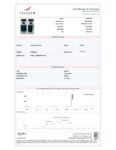
Where available, the latest Certificate of Analysis (COA) for this product is included within the product gallery and can also be accessed through our COA Library. Certificates are published as laboratory analytical documentation becomes available.
Frequently Asked Questions
What is CJC-1295 No DAC?
CJC-1295 No DAC, also known as Modified GRF (1–29), is a synthetic 29-amino-acid analogue derived from the active region of GHRH. It was engineered as a more degradation-resistant research peptide while retaining interaction with the GHRH receptor.
How does CJC-1295 No DAC differ from CJC-1295 DAC?
CJC-1295 No DAC does not contain the albumin-binding Drug Affinity Complex (DAC). Without this modification, it has a shorter-acting research profile, allowing researchers to investigate GHRH receptor signalling without the prolonged albumin-binding characteristics associated with the DAC form.
What laboratory research areas is CJC-1295 No DAC associated with?
CJC-1295 No DAC provides a defined model for investigating GHRH receptor activity, pulsatile signalling and hypothalamic-pituitary communication. Its shorter-acting profile is particularly useful for examining these signalling processes within controlled experimental models.
How should CJC-1295 No DAC be stored?
The lyophilised material should be stored in a sealed, dry environment below 25°C. Where laboratory reconstitution is undertaken, store reconstituted material at 2–8°C. Avoid freeze–thaw cycles to help preserve product integrity.
Customer Reviews
Be the first to leave a review
Share your experience with this product and help other researchers make informed decisions.
Share your experience with this product.